Journal of Eexercise & Organ Cross Talk


Number of Volumes 6
Number of Issues 23
Number of Articles 184
Number of Contributors 427
Article View 110,266
PDF Download 95,856
View Per Article 599.27
PDF Download Per Article 520.96
 
Acceptance Rate 42
Time to Accept (Days) 63
Time to Publish (After Acceptance) (Days) 35


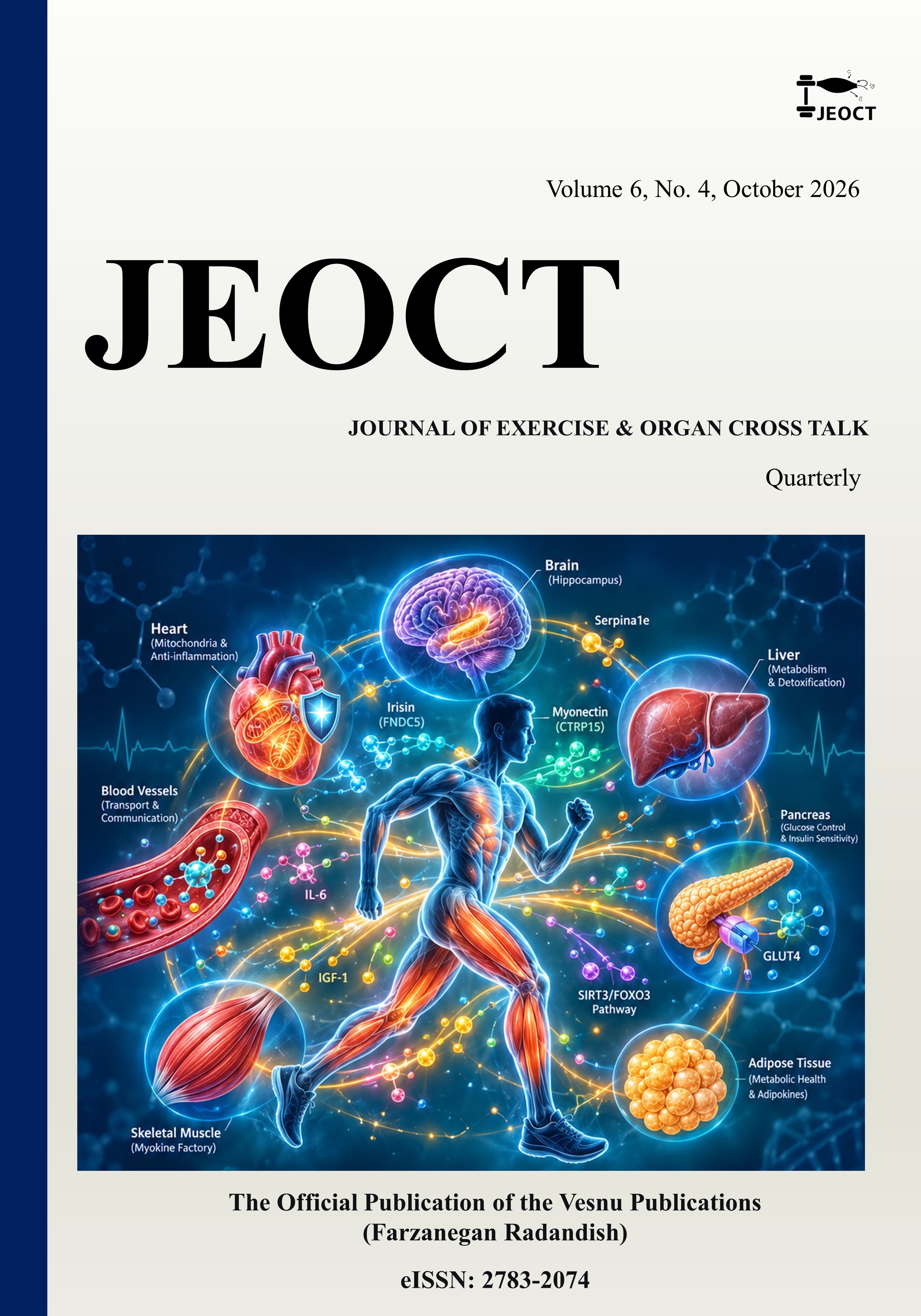
The Journal of Exercise & Organ Cross Talk (JEOCT) is an international, peer-reviewed, open-access journal dedicated to advancing scientific understanding in molecular and cellular exercise physiology. The journal publishes high-quality original research articles, reviews, and short communications that investigate the molecular, biochemical, and cellular mechanisms underlying human physiological adaptations to acute and chronic exercise.

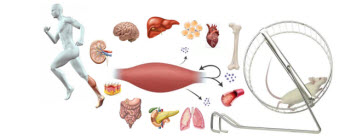
A core mission of JEOCT is to highlight the preventive and therapeutic role of exercise in chronic and degenerative diseases, its contribution to long-term health maintenance, and its relevance to personalized and precision medicine through translational research. The journal places particular emphasis on studies examining the exercise-induced secretome, including the release of peptides, myokines, and organ-derived proteins—especially from skeletal muscle—and their roles in metabolic regulation, homeostasis, and inter-organ communication.

JEOCT follows a rigorous double-blind peer-review process to ensure unbiased and scientifically robust evaluation of all submissions. All manuscripts undergo plagiarism detection using iThenticate prior to peer review. Manuscripts containing plagiarized or unethical content will be rejected immediately, and—in serious cases—the authors’ affiliated institutions may be notified in accordance with COPE guidelines.

As part of its commitment to open science and global accessibility, JEOCT provides free and immediate access to all published articles. The journal is fully sponsored by Vesnu Publications, which enables us to waive all article processing and publication charges (APCs) for authors.

By integrating theoretical, experimental, and translational perspectives, JEOCT aims to serve as a leading international platform for research on organ crosstalk in health and disease in response to exercise.

JEOCT  follows the Committee on Publication Ethics (COPE) and complies with the highest ethical standards in accordance with ethical laws.


JEOCT


Exercise and organ crosstalk

Comparative effects of high-intensity functional and multimodal training on physical fitness and cardiometabolic adaptations in military officer cadets

Pages 203-212

https://doi.org/10.22122/jeoct.2026.589413.1214

Reza Sabzevari Rad, Saadi Aboubakri

Abstract High-intensity training is recognized as a time-efficient method for simultaneously improving physical fitness and metabolic health, but direct comparisons between high-intensity functional training (HIFT) and high-intensity multimodal training (HIMT) are limited, especially in military officer cadets. The aim of the present study was to compare the effects of high-intensity functional and multimodal training on physical fitness and cardiometabolic adaptations in military officer cadets. In this two-arm interventional study with a pre-test/post-test design and no non-exercise control group, 28 male students of Imam Ali (AS) University were randomly allocated to two groups of 14 each (HIFT and HIMT) and trained for eight weeks. Lipid profile (TC, LDL, HDL, and TG), cardiorespiratory fitness (VO2max), power (Sargent jump), and agility (Illinois Agility Test) were measured before and after the course. Data were analyzed using a mixed ANOVA at a significance level of 0.05. The main effect of time was significant for most variables; in both groups, VO2max, power, and agility improved and total cholesterol (TC) and triglyceride (TG) decreased while HDL increased (p < 0.001). LDL changes, despite a decreasing trend, did not reach significance (p = 0.071). No significant group × time interaction was found for any variable, indicating no significant differences between the two methods. Both HIFT and HIMT were associated with improvements in the physical fitness and lipid profile of military students to a similar extent over eight weeks. Therefore, either method can be used as an effective and time-efficient strategy for improving combat readiness and metabolic health, based on available facilities and conditions.

Exercise and organ crosstalk in diseases

The effect of eight weeks of HOME-HIIT on glycemic control indicators in pediatric with type 1 diabetes

Pages 213-220

https://doi.org/10.22122/jeoct.2026.586583.1212

Mohsen Akbarpour Beni, Faezah Mohammad khani

Abstract Type 1 diabetes is the most common non-communicable disease among children. This disease is associated with a lack of insulin secretion and imposes many complications on the affected person throughout his life. Sports activity can play a significant role in controlling this disease and reducing its complications. Therefore, the aim of this study is to investigate the effect of eight weeks of HOME-HIIT on glycemic control indicators in children with type 1 diabetes. In this semi-experimental study, 30 children with type 1 diabetes with an average age of 11.5 ± 2.17 and a body mass index of 19 ± 2.96 were randomly divided into two control groups (15 people) and an exercise group (15 people). The training program consisted of eight weeks and three HIIT training sessions every week with an intensity of 80-90% of the maximum heart rate. Blood samples were collected in fasting conditions in the pre-test and post-test phases or daily to investigate the studied variables. Independent T-test was used to analyze data and examine results of intragroup differences, and Bonferroni's post hoc test and dependent T-test with a significance level of (P=0.05) were used to examine intragroup differences. These cases were done using SPSS version 25 software with a p-value <0.05.The results of this research showed that HOME-HIIT has a positive effect on the indicators of glycemic control in children with type 1 diabetes, and as a result, it can help reduce the complications of diabetes and improve the health of children with type 1 diabetes.

Exercise and organ crosstalk

Effects of concurrent training and fenugreek supplementation on myokines and lipid profiles in overweight women

Pages 221-230

https://doi.org/10.22122/jeoct.2026.527163.1156

Sadegh Abdollahi, Elham Dehghan, Mohadeseh Bandarrigi, Somayeh Moradi

Abstract Exercise induced myokines play an important role in metabolic regulation and inter organ communication. This study investigated the effects of concurrent training and fenugreek supplementation, separately and in combination, on circulating myokines and lipid profile in overweight women. Forty overweight women (BMI ≥ 25 kg/m²) were randomly assigned to four groups: concurrent training (CT), fenugreek supplementation (FG), combined concurrent training plus fenugreek (CT+FG), and control (CON). The intervention lasted 6 weeks (3 sessions per week). The concurrent training protocol consisted of circuit based resistance exercises (50–70% 1RM) followed by aerobic training at 55–70% HRmax. Participants in the supplementation groups consumed fenugreek extract capsules (670 mg/day; two 335 mg capsules taken after breakfast and dinner). Fasting blood samples were collected before the intervention and 48 hours after the final training session. Concurrent training significantly improved lipid profile by reducing triglycerides (TG) and low density lipoprotein (LDL) and increasing high density lipoprotein (HDL) (p < 0.05). Training interventions also significantly increased circulating irisin and myonectin levels (p < 0.05). Fenugreek supplementation alone improved HDL levels but showed no significant effect on myokine concentrations. The combined CT+FG group demonstrated the greatest improvements in lipid profile and myokine responses compared with the other groups. Concurrent training appears to be an effective strategy for improving lipid profile and increasing circulating myokines in overweight women. Fenugreek supplementation may provide additional benefits for lipid profile when combined with exercise; however, its direct effects on myokines remain unclear. Further studies with larger sample sizes are warranted to clarify the potential synergistic effects of exercise and fenugreek supplementation.

Cellular & Molecular Exercise Physiology

Effects of six weeks of metabolic conditioning exercise on serum IGF-1 and GPX responses in active young adults: A randomized controlled trial

Pages 231-239

https://doi.org/10.22122/jeoct.2026.599177.1224

Nariman Safaeian, Farshad Ghazalian, Farah Nameni, Mandana Gholami, Hossein Abednatanzi

Abstract The present study aimed to investigate the effect of a six-week metabolic conditioning training program on serum levels of insulin-like growth factor-1 (IGF-1) and glutathione peroxidase (GPX) in physically active young adults. This randomized controlled trial employed a pre-test–post-test design with a control group. A total of 23 physical education students (aged 18–24 years) were purposively recruited and randomly assigned to an exercise group (n = 12) or a control group (n = 11). The exercise group participated in a six-week metabolic conditioning circuit training program (three sessions per week, 18 sessions total), with progressive overload in volume and intensity. The control group maintained their usual daily activities. Blood samples were collected before and after the intervention to measure IGF-1 and GPX concentrations using validated ELISA kits. The primary between-group analysis using ANCOVA, after adjusting for baseline values, revealed no statistically significant difference between the groups in post-test IGF-1 levels (F(1,20) = 1.339, p = 0.261, η² = 0.063) or in post-test GPX levels (F(1,20) = 0.682, p = 0.419, η² = 0.033). A secondary within-group analysis showed a significant decrease in IGF-1 within the exercise group (p = 0.047); however, this finding must be interpreted with caution given the negative primary between-group comparison. No significant within-group changes were observed for GPX (p > 0.05). Anthropometric measures (weight and BMI) remained stable in both groups throughout the study. Based on the primary between-group comparisons, these findings indicate that six weeks of metabolic conditioning does not produce statistically significant changes in serum IGF-1 or GPX levels compared to a control condition in physically active young adults.

Cellular & Molecular Exercise Physiology

A single daily 10-second sprint snack can improve left ventricular redox balance in male wistar rats

Pages 240-246

https://doi.org/10.22122/jeoct.2026.591781.1218

Fatemeh Pilehvar, Mohammad Rahmani, Ali Samadi

Abstract Exercise snacks are time-efficient physical-activity strategies, but the cardiac redox effects of a single ultra-short daily sprint are unknown. This study examined whether one daily 10-second sprint snack modifies left ventricular oxidant-antioxidant balance in male Wistar rats. Twelve male Wistar rats were randomized to control (CO, n = 6) and single daily sprint snack (DSS, n = 6) groups. After treadmill familiarization and maximal treadmill running speed assessment, the DSS group performed one daily sprint, six days per week, for eight weeks. Forty-eight hours after the final session, left ventricular tissue was analyzed for malondialdehyde (MDA), superoxide dismutase (SOD), glutathione peroxidase (GPx), and total antioxidant capacity (TAC). Compared with CO, DSS reduced MDA (p = 0.004) and increased SOD (p = 0.011), GPx (p = 0.010), and TAC (p < 0.001). All four outcomes remained statistically significant in a post hoc Holm sensitivity analysis. A single daily 10-second sprint snack favorably modified left ventricular redox biomarkers in male Wistar rats. These findings support a minimal-volume model of redox adaptation, although effects on exercise performance, cardiac structure, and cardiac function remain to be established.

Cellular & Molecular Exercise Physiology

The effects of aerobic training on cardiac SIRT3/FOXO3 expression and inflammatory status in obesity: An experimental study

Pages 247-257

https://doi.org/10.22122/jeoct.2026.592029.1219

Mahshid Khalili, Marina Shariati

Abstract This study investigated the effects of aerobic exercise on cardiac SIRT3 and FOXO3 expression and inflammatory cytokines in rats with obesity induced by a high-fat, high-fructose diet. Twenty-four male Wistar rats were assigned to three groups: control, high-fat/high-fructose diet (HFFD), and HFFD plus aerobic exercise (HFFD+Ex). Obesity was induced by 8 weeks of HFFD, followed by a 6-week progressive moderate-intensity aerobic treadmill training program (10-18 m/min, 10-30 min/day, 5 days/week; approximately 42-75% of individual Vmax) in the exercise group. HFFD induced obesity, dyslipidemia, and significant reductions in cardiac SIRT3 and FOXO3 expression compared with the control group (P < 0.05). The exercised group showed significantly higher SIRT3 expression compared with the HFFD group, reaching levels comparable to controls, with a very large effect size (Cohen's d = 6.10). FOXO3 expression showed a 40% increase in the exercised group compared with the HFFD group, but this difference did not reach statistical significance (P = 0.795), potentially due to limited statistical power with the sample size employed (post-hoc power = 62%). The exercised group also exhibited significantly lower circulating TNF-α and IL-1β concentrations and higher IL-10 levels compared with the HFFD group, indicating a systemic anti-inflammatory effect. However, as these cytokines were measured in blood rather than cardiac tissue, they reflect systemic inflammation and may not directly represent cardiac-specific inflammatory changes. (P < 0.05). Although FOXO3 gene expression was not significantly altered, the findings support aerobic exercise as an effective non-pharmacological strategy to mitigate obesity-related cardiac dysfunction through modulation of mitochondrial and inflammatory pathways.

Exercise and organ crosstalk in diseases

Lower-limb muscle-specific alterations in type 2 diabetes: A fiber-type-dependent perspective on structural atrophy, functional decline, and targeted resistance training in humans

Pages 258-273

https://doi.org/10.22122/jeoct.2026.592204.1220

Matin Mohyadini, Mohammadreza Zarali, Esmail Karami

Abstract Type 2 diabetes mellitus (T2DM) adversely affects skeletal muscle, contributing to weakness, functional decline, and reduced mobility. Although lower-limb muscles are essential for locomotion and independence, it remains unclear whether diabetes affects these muscles uniformly or whether certain muscle groups are more vulnerable. Resistance training (RT) is widely recommended for individuals with T2DM. This narrative review synthesizes evidence from human studies on structural and functional alterations in the quadriceps, gastrocnemius, and soleus muscles in adults with T2DM. We propose that fiber-type composition may be a key determinant of muscle-specific vulnerability. Because the soleus is composed predominantly of type I (slow-twitch, oxidative) fibers, which are particularly susceptible to mitochondrial dysfunction, impaired glycogen metabolism, and chronic metabolic stress, we propose the hypothesis that it may undergo earlier and more pronounced deterioration than muscles with a more mixed fiber composition. Current evidence consistently demonstrates reduced quadriceps size, strength, and muscle quality in T2DM, whereas studies of the calf muscles remain limited despite their critical role in gait and balance. Emerging imaging and mechanistic evidence suggest that the soleus may exhibit early diabetes-related microstructural alterations. RT improves muscle strength, physical function, and metabolic health; however, no human study has directly compared the responses of the quadriceps, gastrocnemius, and soleus to the same RT protocol. Overall, available evidence supports regional heterogeneity rather than uniform lower-limb involvement in T2DM. A fiber-type-informed, muscle-specific perspective may improve understanding of diabetes-related muscle dysfunction and guide the development of more targeted resistance training strategies to preserve mobility and functional independence.

Exercise and organ crosstalk

Serpina1e as a novel mediator of exercise-induced muscle–brain crosstalk

Pages 274-275

https://doi.org/10.22122/jeoct.2026.605226.1230

Hamid Reza Amini Komijani, Fatemeh Heiat

Abstract Dear Editor-in-Chief
The Journal of Exercise & Organ Cross-Talk has consistently highlighted how skeletal muscle communicates with distal organs through exercise-induced secretory factors. I wish to draw attention to a recently discovered myokine that exemplifies this principle with particular clarity: Serpina1e, a muscle-derived protein that mediates exercise-induced cognitive enhancement through direct action on the hippocampus (Kim et al., 2026). This molecule is proposed here as a candidate of significant future relevance for understanding exercise–organ crosstalk.
Exercise confers well-documented benefits on hippocampal function and memory, yet the molecular intermediaries linking contracting muscle to brain remained incompletely defined. Using an innovative in vivo approach that enables selective biotin-labeling of skeletal muscle–derived proteins, Kim and colleagues identified the Serpina1 family–particularly Serpina1e–as a novel class of exercise-induced myokines (Kim et al., 2026). Unlike its paralogs Serpina1a–d, which function primarily as protease inhibitors, Serpina1e exhibits no such activity, suggesting a distinct signaling role (Forsyth et al., 2003; Jonigk et al., 2013). Following four weeks of exercise, muscle-derived Serpina1e enters the circulation and, critically, crosses both the blood–CSF and blood–brain barriers to reach the hippocampus (Kim et al., 2026). There, it promotes neurogenesis, upregulates BDNF expression, and enhances dendritic complexity and neurite outgrowth in hippocampal neurons (Kim et al., 2026).
The functional evidence is compelling. Systemic administration of recombinant Serpina1e to sedentary mice improved performance in contextual fear conditioning and novel object recognition tests (Kim et al., 2026). Conversely, muscle-specific knockdown of Serpina1e abolished abolished exercise-induced memory enhancement without affecting baseline cognition or exercise performance itself (Kim et al., 2026). These findings position Serpina1e as a necessary and sufficient mediator of exercise’s cognitive benefits–a rare demonstration of causality in exerkine biology.
Particularly relevant to this journal’s scope, Serpina1e appears to operate within a coordinated myokine network rather than as an isolated signal. New evidence indicates that Serpina1e acts upstream of Fndc5/Irisin, regulating its expression in skeletal muscle (Islam et al., 2021). This functional interaction aligns with emerging perspectives that exercise-induced organ crosstalk involves integrated signaling networks defined by secretion kinetics, co-released factors, and target-tissue responsiveness–what has been termed an “endocrine code” (Islam et al., 2021).
Several features make Serpina1e a compelling candidate for future investigation. It represents a muscle-to-brain signaling axis with direct relevance to neurocognitive adaptation, a relatively underexplored dimension of exercise physiology compared to metabolic crosstalk. Its barrier-crossing capacity positions it as a potential therapeutic vehicle or template for delivering neuroprotective signals (Kim et al., 2026). The absence of protease-inhibitory activity in Serpina1e suggests a neomorphic signaling function distinct from the canonical role of its protein family (Forsyth et al., 2003; Jonigk et al., 2013). Finally, the apparent conservation of neuronal growth effects by human SERPINA1 raises translational possibilities (Jonigk et al., 2013).
Key questions remain, including whether Serpina1e effects exhibit sex-specificity (current studies used male mice only), the identity of its receptor or binding partner in the brain, and whether circulating Serpina1e levels correlate with cognitive outcomes in exercising humans (Kim et al., 2026). These gaps define a productive research agenda for the field.
In summary, Serpina1e exemplifies the evolving understanding of skeletal muscle as a source of signals that traverse organ boundaries to shape systemic physiology. Its discovery underscores that the most significant mediators of exercise benefits may not be the most abundant or the most familiar, but those coupling muscle activity to specific target-organ adaptations. The Journal of Exercise & Organ Cross-Talk seems an ideal venue for continued dialogue on this emerging axis.
I hope this letter stimulates discussion among your readership regarding the next frontiers in exercise–organ crosstalk.

Exercise and organ crosstalk

Comparative effects of high-intensity functional and multimodal training on physical fitness and cardiometabolic adaptations in military officer cadets

Volume 6, Issue 4, Autumn 2026, Pages 203-212

https://doi.org/10.22122/jeoct.2026.589413.1214

Reza Sabzevari Rad, Saadi Aboubakri

Abstract High-intensity training is recognized as a time-efficient method for simultaneously improving physical fitness and metabolic health, but direct comparisons between high-intensity functional training (HIFT) and high-intensity multimodal training (HIMT) are limited, especially in military officer cadets. The aim of the present study was to compare the effects of high-intensity functional and multimodal training on physical fitness and cardiometabolic adaptations in military officer cadets. In this two-arm interventional study with a pre-test/post-test design and no non-exercise control group, 28 male students of Imam Ali (AS) University were randomly allocated to two groups of 14 each (HIFT and HIMT) and trained for eight weeks. Lipid profile (TC, LDL, HDL, and TG), cardiorespiratory fitness (VO2max), power (Sargent jump), and agility (Illinois Agility Test) were measured before and after the course. Data were analyzed using a mixed ANOVA at a significance level of 0.05. The main effect of time was significant for most variables; in both groups, VO2max, power, and agility improved and total cholesterol (TC) and triglyceride (TG) decreased while HDL increased (p < 0.001). LDL changes, despite a decreasing trend, did not reach significance (p = 0.071). No significant group × time interaction was found for any variable, indicating no significant differences between the two methods. Both HIFT and HIMT were associated with improvements in the physical fitness and lipid profile of military students to a similar extent over eight weeks. Therefore, either method can be used as an effective and time-efficient strategy for improving combat readiness and metabolic health, based on available facilities and conditions.

Cellular & Molecular Exercise Physiology

Effects of six weeks of metabolic conditioning exercise on serum IGF-1 and GPX responses in active young adults: A randomized controlled trial

Volume 6, Issue 4, Autumn 2026, Pages 231-239

https://doi.org/10.22122/jeoct.2026.599177.1224

Nariman Safaeian, Farshad Ghazalian, Farah Nameni, Mandana Gholami, Hossein Abednatanzi

Abstract The present study aimed to investigate the effect of a six-week metabolic conditioning training program on serum levels of insulin-like growth factor-1 (IGF-1) and glutathione peroxidase (GPX) in physically active young adults. This randomized controlled trial employed a pre-test–post-test design with a control group. A total of 23 physical education students (aged 18–24 years) were purposively recruited and randomly assigned to an exercise group (n = 12) or a control group (n = 11). The exercise group participated in a six-week metabolic conditioning circuit training program (three sessions per week, 18 sessions total), with progressive overload in volume and intensity. The control group maintained their usual daily activities. Blood samples were collected before and after the intervention to measure IGF-1 and GPX concentrations using validated ELISA kits. The primary between-group analysis using ANCOVA, after adjusting for baseline values, revealed no statistically significant difference between the groups in post-test IGF-1 levels (F(1,20) = 1.339, p = 0.261, η² = 0.063) or in post-test GPX levels (F(1,20) = 0.682, p = 0.419, η² = 0.033). A secondary within-group analysis showed a significant decrease in IGF-1 within the exercise group (p = 0.047); however, this finding must be interpreted with caution given the negative primary between-group comparison. No significant within-group changes were observed for GPX (p > 0.05). Anthropometric measures (weight and BMI) remained stable in both groups throughout the study. Based on the primary between-group comparisons, these findings indicate that six weeks of metabolic conditioning does not produce statistically significant changes in serum IGF-1 or GPX levels compared to a control condition in physically active young adults.

Exercise and organ crosstalk

Effects of concurrent training and fenugreek supplementation on myokines and lipid profiles in overweight women

Volume 6, Issue 4, Autumn 2026, Pages 221-230

https://doi.org/10.22122/jeoct.2026.527163.1156

Sadegh Abdollahi, Elham Dehghan, Mohadeseh Bandarrigi, Somayeh Moradi

Abstract Exercise induced myokines play an important role in metabolic regulation and inter organ communication. This study investigated the effects of concurrent training and fenugreek supplementation, separately and in combination, on circulating myokines and lipid profile in overweight women. Forty overweight women (BMI ≥ 25 kg/m²) were randomly assigned to four groups: concurrent training (CT), fenugreek supplementation (FG), combined concurrent training plus fenugreek (CT+FG), and control (CON). The intervention lasted 6 weeks (3 sessions per week). The concurrent training protocol consisted of circuit based resistance exercises (50–70% 1RM) followed by aerobic training at 55–70% HRmax. Participants in the supplementation groups consumed fenugreek extract capsules (670 mg/day; two 335 mg capsules taken after breakfast and dinner). Fasting blood samples were collected before the intervention and 48 hours after the final training session. Concurrent training significantly improved lipid profile by reducing triglycerides (TG) and low density lipoprotein (LDL) and increasing high density lipoprotein (HDL) (p < 0.05). Training interventions also significantly increased circulating irisin and myonectin levels (p < 0.05). Fenugreek supplementation alone improved HDL levels but showed no significant effect on myokine concentrations. The combined CT+FG group demonstrated the greatest improvements in lipid profile and myokine responses compared with the other groups. Concurrent training appears to be an effective strategy for improving lipid profile and increasing circulating myokines in overweight women. Fenugreek supplementation may provide additional benefits for lipid profile when combined with exercise; however, its direct effects on myokines remain unclear. Further studies with larger sample sizes are warranted to clarify the potential synergistic effects of exercise and fenugreek supplementation.

Exercise and organ crosstalk in diseases

The effect of eight weeks of HOME-HIIT on glycemic control indicators in pediatric with type 1 diabetes

Volume 6, Issue 4, Autumn 2026, Pages 213-220

https://doi.org/10.22122/jeoct.2026.586583.1212

Mohsen Akbarpour Beni, Faezah Mohammad khani

Abstract Type 1 diabetes is the most common non-communicable disease among children. This disease is associated with a lack of insulin secretion and imposes many complications on the affected person throughout his life. Sports activity can play a significant role in controlling this disease and reducing its complications. Therefore, the aim of this study is to investigate the effect of eight weeks of HOME-HIIT on glycemic control indicators in children with type 1 diabetes. In this semi-experimental study, 30 children with type 1 diabetes with an average age of 11.5 ± 2.17 and a body mass index of 19 ± 2.96 were randomly divided into two control groups (15 people) and an exercise group (15 people). The training program consisted of eight weeks and three HIIT training sessions every week with an intensity of 80-90% of the maximum heart rate. Blood samples were collected in fasting conditions in the pre-test and post-test phases or daily to investigate the studied variables. Independent T-test was used to analyze data and examine results of intragroup differences, and Bonferroni's post hoc test and dependent T-test with a significance level of (P=0.05) were used to examine intragroup differences. These cases were done using SPSS version 25 software with a p-value <0.05.The results of this research showed that HOME-HIIT has a positive effect on the indicators of glycemic control in children with type 1 diabetes, and as a result, it can help reduce the complications of diabetes and improve the health of children with type 1 diabetes.

Exercise and organ crosstalk in diseases

Lower-limb muscle-specific alterations in type 2 diabetes: A fiber-type-dependent perspective on structural atrophy, functional decline, and targeted resistance training in humans

Volume 6, Issue 4, Autumn 2026, Pages 258-273

https://doi.org/10.22122/jeoct.2026.592204.1220

Matin Mohyadini, Mohammadreza Zarali, Esmail Karami

Abstract Type 2 diabetes mellitus (T2DM) adversely affects skeletal muscle, contributing to weakness, functional decline, and reduced mobility. Although lower-limb muscles are essential for locomotion and independence, it remains unclear whether diabetes affects these muscles uniformly or whether certain muscle groups are more vulnerable. Resistance training (RT) is widely recommended for individuals with T2DM. This narrative review synthesizes evidence from human studies on structural and functional alterations in the quadriceps, gastrocnemius, and soleus muscles in adults with T2DM. We propose that fiber-type composition may be a key determinant of muscle-specific vulnerability. Because the soleus is composed predominantly of type I (slow-twitch, oxidative) fibers, which are particularly susceptible to mitochondrial dysfunction, impaired glycogen metabolism, and chronic metabolic stress, we propose the hypothesis that it may undergo earlier and more pronounced deterioration than muscles with a more mixed fiber composition. Current evidence consistently demonstrates reduced quadriceps size, strength, and muscle quality in T2DM, whereas studies of the calf muscles remain limited despite their critical role in gait and balance. Emerging imaging and mechanistic evidence suggest that the soleus may exhibit early diabetes-related microstructural alterations. RT improves muscle strength, physical function, and metabolic health; however, no human study has directly compared the responses of the quadriceps, gastrocnemius, and soleus to the same RT protocol. Overall, available evidence supports regional heterogeneity rather than uniform lower-limb involvement in T2DM. A fiber-type-informed, muscle-specific perspective may improve understanding of diabetes-related muscle dysfunction and guide the development of more targeted resistance training strategies to preserve mobility and functional independence.

Cellular & Molecular Exercise Physiology

A single daily 10-second sprint snack can improve left ventricular redox balance in male wistar rats

Volume 6, Issue 4, Autumn 2026, Pages 240-246

https://doi.org/10.22122/jeoct.2026.591781.1218

Fatemeh Pilehvar, Mohammad Rahmani, Ali Samadi

Abstract Exercise snacks are time-efficient physical-activity strategies, but the cardiac redox effects of a single ultra-short daily sprint are unknown. This study examined whether one daily 10-second sprint snack modifies left ventricular oxidant-antioxidant balance in male Wistar rats. Twelve male Wistar rats were randomized to control (CO, n = 6) and single daily sprint snack (DSS, n = 6) groups. After treadmill familiarization and maximal treadmill running speed assessment, the DSS group performed one daily sprint, six days per week, for eight weeks. Forty-eight hours after the final session, left ventricular tissue was analyzed for malondialdehyde (MDA), superoxide dismutase (SOD), glutathione peroxidase (GPx), and total antioxidant capacity (TAC). Compared with CO, DSS reduced MDA (p = 0.004) and increased SOD (p = 0.011), GPx (p = 0.010), and TAC (p < 0.001). All four outcomes remained statistically significant in a post hoc Holm sensitivity analysis. A single daily 10-second sprint snack favorably modified left ventricular redox biomarkers in male Wistar rats. These findings support a minimal-volume model of redox adaptation, although effects on exercise performance, cardiac structure, and cardiac function remain to be established.

Exercise and organ crosstalk

Serpina1e as a novel mediator of exercise-induced muscle–brain crosstalk

Volume 6, Issue 4, Autumn 2026, Pages 274-275

https://doi.org/10.22122/jeoct.2026.605226.1230

Hamid Reza Amini Komijani, Fatemeh Heiat

Abstract Dear Editor-in-Chief
The Journal of Exercise & Organ Cross-Talk has consistently highlighted how skeletal muscle communicates with distal organs through exercise-induced secretory factors. I wish to draw attention to a recently discovered myokine that exemplifies this principle with particular clarity: Serpina1e, a muscle-derived protein that mediates exercise-induced cognitive enhancement through direct action on the hippocampus (Kim et al., 2026). This molecule is proposed here as a candidate of significant future relevance for understanding exercise–organ crosstalk.
Exercise confers well-documented benefits on hippocampal function and memory, yet the molecular intermediaries linking contracting muscle to brain remained incompletely defined. Using an innovative in vivo approach that enables selective biotin-labeling of skeletal muscle–derived proteins, Kim and colleagues identified the Serpina1 family–particularly Serpina1e–as a novel class of exercise-induced myokines (Kim et al., 2026). Unlike its paralogs Serpina1a–d, which function primarily as protease inhibitors, Serpina1e exhibits no such activity, suggesting a distinct signaling role (Forsyth et al., 2003; Jonigk et al., 2013). Following four weeks of exercise, muscle-derived Serpina1e enters the circulation and, critically, crosses both the blood–CSF and blood–brain barriers to reach the hippocampus (Kim et al., 2026). There, it promotes neurogenesis, upregulates BDNF expression, and enhances dendritic complexity and neurite outgrowth in hippocampal neurons (Kim et al., 2026).
The functional evidence is compelling. Systemic administration of recombinant Serpina1e to sedentary mice improved performance in contextual fear conditioning and novel object recognition tests (Kim et al., 2026). Conversely, muscle-specific knockdown of Serpina1e abolished abolished exercise-induced memory enhancement without affecting baseline cognition or exercise performance itself (Kim et al., 2026). These findings position Serpina1e as a necessary and sufficient mediator of exercise’s cognitive benefits–a rare demonstration of causality in exerkine biology.
Particularly relevant to this journal’s scope, Serpina1e appears to operate within a coordinated myokine network rather than as an isolated signal. New evidence indicates that Serpina1e acts upstream of Fndc5/Irisin, regulating its expression in skeletal muscle (Islam et al., 2021). This functional interaction aligns with emerging perspectives that exercise-induced organ crosstalk involves integrated signaling networks defined by secretion kinetics, co-released factors, and target-tissue responsiveness–what has been termed an “endocrine code” (Islam et al., 2021).
Several features make Serpina1e a compelling candidate for future investigation. It represents a muscle-to-brain signaling axis with direct relevance to neurocognitive adaptation, a relatively underexplored dimension of exercise physiology compared to metabolic crosstalk. Its barrier-crossing capacity positions it as a potential therapeutic vehicle or template for delivering neuroprotective signals (Kim et al., 2026). The absence of protease-inhibitory activity in Serpina1e suggests a neomorphic signaling function distinct from the canonical role of its protein family (Forsyth et al., 2003; Jonigk et al., 2013). Finally, the apparent conservation of neuronal growth effects by human SERPINA1 raises translational possibilities (Jonigk et al., 2013).
Key questions remain, including whether Serpina1e effects exhibit sex-specificity (current studies used male mice only), the identity of its receptor or binding partner in the brain, and whether circulating Serpina1e levels correlate with cognitive outcomes in exercising humans (Kim et al., 2026). These gaps define a productive research agenda for the field.
In summary, Serpina1e exemplifies the evolving understanding of skeletal muscle as a source of signals that traverse organ boundaries to shape systemic physiology. Its discovery underscores that the most significant mediators of exercise benefits may not be the most abundant or the most familiar, but those coupling muscle activity to specific target-organ adaptations. The Journal of Exercise & Organ Cross-Talk seems an ideal venue for continued dialogue on this emerging axis.
I hope this letter stimulates discussion among your readership regarding the next frontiers in exercise–organ crosstalk.
Publication Information
Indexing and Abstracting

Keywords Cloud