Journal of Eexercise & Organ Cross Talk


Number of Volumes 6
Number of Issues 20
Number of Articles 164
Number of Contributors 379
Article View 76,764
PDF Download 58,200
View Per Article 468.07
PDF Download Per Article 354.88
 
Acceptance Rate 42
Time to Accept (Days) 63
Time to Publish (After Acceptance) (Days) 35


The Journal of Exercise & Organ Cross Talk (JEOCT) is an international, peer-reviewed, open-access journal dedicated to advancing scientific understanding in molecular and cellular exercise physiology. The journal publishes high-quality original research articles, reviews, and short communications that investigate the molecular, biochemical, and cellular mechanisms underlying human physiological adaptations to acute and chronic exercise.

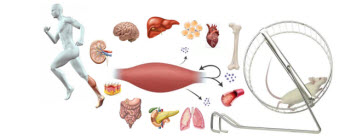
A core mission of JEOCT is to highlight the preventive and therapeutic role of exercise in chronic and degenerative diseases, its contribution to long-term health maintenance, and its relevance to personalized and precision medicine through translational research. The journal places particular emphasis on studies examining the exercise-induced secretome, including the release of peptides, myokines, and organ-derived proteins—especially from skeletal muscle—and their roles in metabolic regulation, homeostasis, and inter-organ communication.

JEOCT follows a rigorous double-blind peer-review process to ensure unbiased and scientifically robust evaluation of all submissions. All manuscripts undergo plagiarism detection using iThenticate prior to peer review. Manuscripts containing plagiarized or unethical content will be rejected immediately, and—in serious cases—the authors’ affiliated institutions may be notified in accordance with COPE guidelines.

As part of its commitment to open science and global accessibility, JEOCT provides free and immediate access to all published articles. The journal is fully sponsored by Vesnu Publications, which enables us to waive all article processing and publication charges (APCs) for authors.

By integrating theoretical, experimental, and translational perspectives, JEOCT aims to serve as a leading international platform for research on organ crosstalk in health and disease in response to exercise.

JEOCT  follows the Committee on Publication Ethics (COPE) and complies with the highest ethical standards in accordance with ethical laws.


JEOCT


Cellular & Molecular Exercise Physiology

The effects of 8-week sport metric training on hematological profiles and physical fitness parameters in adolescent male soccer players

Pages 1-9

https://doi.org/10.22122/jeoct.2026.572254.1188

Alireza Fereidani, Hossein Barzegari, Zahra Mosayebi, Bahman Hasanvand

Abstract This semi-experimental study employed a pre-test–post-test design with a control group to investigate the effects of an eight-week sport metric training program on selected hematological indices and physical performance variables in adolescent male soccer players. Thirty participants (aged 13–16 years) were randomly assigned to either an experimental group (n = 15) or a control group (n = 15). The experimental group performed sport metric training three sessions per week for eight weeks, in addition to their routine soccer training. The control group continued only their standard soccer sessions. Hematological indices (hemoglobin, hematocrit, and blood viscosity) were measured from venous blood samples, while physical performance was assessed using the 36-meter sprint test (for speed) and the Illinois agility test. Following the intervention, the experimental group showed significant improvements compared to the control group. Hemoglobin and hematocrit levels increased meaningfully (P ≤ 0.05), suggesting enhanced oxygen-carrying capacity of the blood. Blood viscosity decreased significantly (P ≤ 0.05), which may indicate improved blood flow and reduced circulatory resistance. In terms of physical performance, the experimental group exhibited substantial reductions in sprint time (36-meter sprint) and agility time (Illinois test), both reaching statistical significance (P ≤ 0.05) with large effect sizes. In conclusion, eight weeks of sport metric training produced favorable changes in hematological profiles and marked enhancements in speed and agility performance among adolescent male soccer players. The findings suggest that targeted, sport-specific training programs can serve as a valuable supplement to routine soccer training during adolescence, supporting both physiological development and on-field performance.

Exercise and organ crosstalk in diseases

DeLorme-Watkins or high-intensity pyramidic training protocol: Which one has more effectiveness on adiponectin and TNF-α?

Pages 10-16

https://doi.org/10.22122/jeoct.2026.566465.1183

Keyvan Ahmadi Dehrashid

Abstract This study aimed to investigate the effects of two different resistance training protocols on TNF-α and adiponectin in young overweight men. Sixty healthy overweight men (BMI ≥ 25 kg/m², age 20–30 years) were randomly assigned to three groups: Experimental Group 1 (EG1), Experimental Group 2 (EG2), and Control Group (CG). EG1 performed the DeLorme-Watkins protocol, consisting of 3 sets of 10 repetitions at 50%, 75%, and 100% of 10RM, while EG2 performed HIPT, consisting of 3 sets (set 1: 6 repetitions at 70% of 1RM; set 2: 4 repetitions at 80% of 1RM; set 3: 2 repetitions at 90% of 1RM). Training lasted 8 weeks. TNF-α and adiponectin levels were measured pre- and post-intervention. One-way ANOVA with Tukey post hoc tests and paired-samples t-tests were used to analyze inter- and intra-group differences (α≤0.05). TNF-α significantly decreased in EG1 (P = 0.04), while adiponectin levels significantly increased in both EG1 (P = 0.02) and EG2 (P = 0.03) at post-test compared to pre-test. Additionally, TNF-α levels were significantly lower in EG1 than in CG at post-test (P = 0.01). Both resistance training protocols exerted beneficial effects on inflammatory and anti-inflammatory markers, potentially contributing to cardiovascular disease prevention. However, the DeLorme-Watkins protocol resulted in a significantly greater reduction in TNF-α levels compared to HIPT, whereas no significant between-group difference was observed for adiponectin.

Cellular & Molecular Exercise Physiology

The effect of a probiotic mixture combined with high-intensity interval training on the intestinal expression of FXR and PPAR-γ genes in diabetic rats

Pages 17-24

https://doi.org/10.22122/jeoct.2026.576456.1194

Tahereh Jahandarlashaki, Hesam Parsa

Abstract This study investigated the effects of high-intensity interval training (HIIT) and a multi-strain probiotic mixture, on the intestinal expression of FXR and PPAR-γ in a rat model of type 2 diabetes mellitus (T2DM). Forty male Wistar rats were randomly assigned to five groups (n=8): Healthy Control (HC), Diabetic Control (DC), Diabetic+HIIT (DH), Diabetic+Probiotic (DP), and Diabetic+HIIT+Probiotic (DHP). T2DM was induced via a single intraperitoneal injection of nicotinamide (95 mg/kg) followed by streptozotocin (STZ, 55 mg/kg). The HIIT protocol was performed on a rodent treadmill for 8 weeks (5 sessions/week). The probiotic mixture (Lactobacillus rhamnosus GG, Lactobacillus casei, Lactobacillus reuteri; 1×10¹⁰ CFU/mL each) was administered daily via oral gavage. Diabetes induction significantly downregulated the intestinal expression of both FXR and PPAR-γ compared to healthy controls (p<0.001). HIIT and probiotic interventions, individually, significantly increased the expression of both nuclear receptors compared to the diabetic control group (p<0.001). Notably, the combined HIIT and probiotic intervention (DHP) produced the highest expression levels of FXR and PPAR-γ, which were significantly greater than either intervention alone (p<0.01) and restored FXR expression to levels comparable to healthy controls. Both HIIT and multi-strain probiotic supplementation effectively upregulate the intestinal expression of FXR and PPAR-γ in diabetic rats, with the combination exerting a synergistic effect. These findings identify a novel mechanism by which lifestyle interventions may restore intestinal metabolic function and inter-organ communication in T2DM, highlighting the therapeutic potential of targeting the gut through combined exercise and probiotic strategies.

Exercise and organ crosstalk

The effect of combined training (core stability, resistance and balance) on serum BDNF and GDNF levels in individuals with multiple sclerosis

Pages 25-32

https://doi.org/10.22122/jeoct.2026.574002.1190

Ahmad Shahid Razi, Khosro Jalali Dehkordi, Asaad Adnan Aziz, Farzaneh Taghian, Ahmad Chitsaz

Abstract Multiple sclerosis (MS) is a chronic neurological disease associated with neurodegeneration and impaired neurotrophic support. Neuromuscular training, through integrated activation of the nervous and muscular systems, may positively influence these neurotrophic factors. Therefore, this study investigated the effect of combined training on serum BDNF and GDNF levels in individuals with multiple sclerosis. Thirty women with multiple sclerosis (mean age: 36.2±5.8 years; BMI: 22.1±4.2 kg/m²) were purposively selected and randomly assigned to an experimental group (n=15) or a control group (n=15). The experimental group completed an eight-week combined training program (three sessions per week), consisting of core stability, resistance, balance, and agility exercises with progressive overload, while exercise intensity was controlled using the Borg perceived exertion scale., while the control group continued their usual daily activities. Blood samples were collected 24 hours before and 48 hours after the final training session, and the obtained serum was used to measure BDNF and GDNF levels. Data were analyzed using repeated-measures analysis of variance with a significance level of 0.05, employing SPSS software (version 27). The results demonstrated that neuromuscular training induced significant increases in serum BDNF (p=0.001, η²=0.80) and GDNF (p=0.001, η²=0.79) levels in the experimental group compared with the control group. Overall, the results of this study demonstrate that eight weeks of neuromuscular training elicit significant increases in serum BDNF and GDNF levels in women with multiple sclerosis. These findings indicate an enhanced neurotrophic environment that may support neural plasticity and neuroprotective mechanisms. Accordingly, neuromuscular training appears to be a safe and effective non-pharmacological strategy for improving neural health and potentially attenuating neurological dysfunctions associated with multiple sclerosis.

Exercise and organ crosstalk in diseases

The effects of eight weeks of aerobic exercise and NBS superfood supplementation on IL-1β and SOD in elderly men with diabetes

Pages 33-39

https://doi.org/10.22122/jeoct.2026.569282.1185

Bahram Fatahi, Sedigheh Hosseinpour Delavar, Mehdi Bagzadeh

Abstract Type 2 diabetes in older adults is characterized by chronic low-grade inflammation and oxidative stress, with elevated interleukin-1β (IL-1β) and reduced superoxide dismutase (SOD) activity playing central roles in disease progression.  This study aimed to investigate the independent and combined effects of eight weeks of moderate-intensity aerobic exercise and NBS superfood supplementation on serum IL-1β and SOD levels in elderly men with type 2 diabetes. Forty older men (aged 60–75 years) with type 2 diabetes were randomly allocated using stratified block randomization to four groups (n=10 each): control, exercise-only (TR), supplement-only (SUP), and exercise + supplement (TR+SUP). The exercise groups performed supervised cycling at 60–70% Wmax, 30 min/session, 3 sessions/week for 8 weeks. The supplementation groups received 10 g/day NBS superfood. Fasting serum IL-1β and SOD were measured before and 48 hours after the intervention using ELISA. Two-way repeated-measures ANOVA revealed significant time × group interactions for both IL-1β (p<0.001, η²p=0.372) and SOD (p<0.001, η²p=0.892). Post-hoc tests showed the greatest reductions in IL-1β and largest increases in SOD occurred in the TR+SUP group compared to all other groups (p<0.001), indicating a synergistic effect. Eight weeks of moderate-intensity aerobic exercise combined with NBS superfood supplementation exerts potent synergistic anti-inflammatory and antioxidant effects in older men with type 2 diabetes, suggesting a promising non-pharmacological strategy for managing chronic inflammation and oxidative stress.

Cellular & Molecular Exercise Physiology

Bibliometric analysis of Iranian research on resistance training and muscle hypertrophy

Pages 40-48

https://doi.org/10.22122/jeoct.2026.563290.1182

Shahin Riyahi Malayeri

Abstract This study was designed to conduct a bibliometric analysis of Iranian research on the effects of various resistance training protocols on muscle hypertrophy. The analysis examined temporal publication trends, prolific authors, leading research institutions, and prominent journals in this field. All relevant articles published up to the year 1403 (2024) were retrieved from the MagIran database. Inclusion criteria were limited to original peer-reviewed research articles published in Persian, while conference abstracts and other non-journal sources were excluded. Data were analyzed using VOSviewer software to perform co-authorship and keyword co-occurrence analyses. Between 1390 and 1403 (2011–2024), a total of 31 articles were published in this domain. Most publications were authored by faculty members of public (state) universities. Approximately 65% of the articles appeared in journals affiliated with the Ministry of Science, Research and Technology, whereas 35% were published in medical sciences journals. Keyword analysis indicated that “resistance training” and “muscle hypertrophy” were the most frequent and central terms, with clustering results demonstrating strong interconnections among core research topics. Overall, the findings of this bibliometric analysis provide a structured overview of the research landscape and offer a roadmap for identifying research gaps, publication patterns, and future research priorities in the Iranian context.

Exercise & crosstalk between signalling pathways

Lactate threshold–based functional training for neurocognitive and physical outcomes in elderly with type 3 diabetes: Study protocol for a long-term RCT

Pages 49-61

https://doi.org/10.22122/jeoct.2026.573709.1191

Zahra Reisi Filabadi, Ebrahim Banitalebi, Mostafa Rahimi, Mohammad Rabiei, Majid Mardaniyan Ghahfarrokhi

Abstract Type 3 diabetes (T3D), defined by the concurrence of type 2 diabetes and age-related cognitive impairment, is linked to progressive deterioration in both cognitive and physical function. Emerging evidence suggests that functional exercise training prescribed in relation to individualized lactate thresholds may enhance neurocognitive and physical adaptations by matching exercise intensity to individual metabolic capacity and systemic organ cross-talk. Randomized controlled trial will examine the effects of long-term, lactate-threshold–based functional training on cognitive and physical function in older adults with T3D, highlighting the role of exercise intensity in optimizing outcomes. Sixty-six adults aged 60–80 years with Type 3 diabetes and cognitive impairment, assessed by the Mini-Mental State Examination, will be recruited from the Chaharmahal and Bakhtiari Diabetes Association and randomly assigned to three groups. The intervention group will undertake a six-month, individualized high-intensity functional training program combining supervised and home-based sessions. Primary outcomes include changes in cognitive performance and physical function assessed using validated and standardized measures. It is hypothesized that lactate-threshold–guided functional exercise at tailored intensities will lead to significant improvements in both cognitive and physical function, emphasizing the critical role of exercise intensity in modulating neurocognitive and functional adaptations in elderly individuals with type 3 diabetes. This study aims to provide robust evidence for intensity-specific, lactate-threshold–based exercise prescriptions in this population.

Exercise and organ crosstalk

Brain-muscle-adipose tissue triad crosstalk in childhood obesity: In the service of predictive medicine

Pages 62-63

https://doi.org/10.22122/jeoct.2026.578369.1199

Yousra Alsinani, Fatemeh Rostamkhani

Abstract Dear Editor-in-Chief
The global epidemic of childhood obesity continues to challenge healthcare systems, with recent epidemiological data confirming a tenfold increase in prevalence over four decades. While the complications of pediatric obesity are well documented, the field of predictive medicine urgently requires reliable biomarkers that identify at-risk children before irreversible metabolic dysfunction develops. The Journal of Exercise & Organ Cross Talk has consistently highlighted the importance of inter-organ communication in metabolic health. Herein, we propose that the brain-muscle-adipose tissue triad represents a pivotal axis for developing predictive strategies in childhood obesity.
Recent evidence has substantially advanced our understanding of adipose tissue signaling in pediatric populations. A study of 104 children aged 7-18 years demonstrated that circulating spexin and adiponectin are significantly associated with insulin resistance in pediatric obesity. Notably, spexin exhibited a biphasic pattern characterized by an initial compensatory increase followed by a decompensated decrease, suggesting its potential as an early warning signal for metabolic deterioration. Adiponectin emerged as an independent determinant of HOMA-IR (β = −0.577, p = 0.005), reinforcing the central role of adipose-derived signals in systemic insulin sensitivity (Lian et al., 2026). These findings position adipokines as accessible biomarkers for stratifying risk in children with obesity.
Expanding beyond adipose tissue, large-scale proteomic analyses have revealed multi-organ signatures of cardiometabolic risk. In a cross-sectional study of 4,024 children and adolescents, Stinson and colleagues identified protein signatures linking obesity to dyslipidemia, insulin resistance, and hypertension. Using machine learning approaches, a three-protein panel (CDCP1, FGF21, HAOX1) combined with liver enzymes improved prediction of steatotic liver disease compared to enzymes alone (ROC-AUC = 0.83 vs. 0.77, p < 0.05). Importantly, reductions in adiposity during a one-year intervention were associated with decreased inflammatory cytokines, demonstrating the modifiable nature of these biomarkers (Stinson et al., 2026). This work underscores that circulating proteomic signatures reflect integrated signals from multiple organs, including liver, adipose tissue, and potentially skeletal muscle.
The central nervous system's role in this crosstalk cannot be overlooked. A comprehensive Mendelian randomization study investigating the fat-brain axis revealed bidirectional causal relationships between body fat measures and brain phenotypes. Body fat composition showed negative genetic correlations with intelligence and cognitive performance, while positive correlations emerged with attention-deficit/hyperactivity disorder, stroke, and depression. These genetic insights suggest that the brain is not merely a passive recipient of peripheral metabolic signals but actively participates in a bidirectional dialogue with adipose tissue. For predictive medicine, this implies that neurobehavioral assessments could complement biochemical markers in identifying children at greatest metabolic risk (Baranova et al., 2025).
The convergence of these findings carries translational implications. First, the identification of early biomarkers such as spexin and adiponectin enables risk stratification before frank insulin resistance develops. Second, proteomic signatures incorporating multiple organ-derived proteins offer enhanced predictive accuracy for specific outcomes like steatotic liver disease. Third, genetic evidence linking brain phenotypes to body fat measures suggests that predictive models should incorporate both biochemical and neurobehavioral parameters.
For JEOCT readers, these advances highlight opportunities for exercise-based interventions targeting inter-organ communication Physical activity potently modulates the secretome of skeletal muscle, adipose tissue, and potentially the brain. Understanding how exercise-induced signals influence the brain-muscle-adipose triad could inform personalized exercise prescriptions for children with obesity. Future research should prioritize longitudinal studies mapping the temporal dynamics of these biomarkers during childhood development and in response to lifestyle interventions.
In conclusion, the brain-muscle-adipose tissue triad represents a conceptual framework for predictive medicine in childhood obesity. By integrating adipose-derived signals, multi-organ proteomic signatures, and brain-body genetic links, we can move toward early identification of at-risk children and targeted preventive strategies. The Journal of Exercise & Organ Cross Talk is ideally positioned to advance this research agenda.
 

Cellular & Molecular Exercise Physiology

Differential hepatic gene regulation in melanoma: Combined exercise and anti-inflammatory supplementation selectively lowers CXCL2 (murine IL-8 homolog) but not bFGF2

Articles in Press, Accepted Manuscript, Available Online from 01 June 2026

https://doi.org/10.22122/jeoct.2026.574951.1192

Mahnaz Zarabadipour, Hossein Abednatanzi, Mandana Gholami

Abstract Hepatic gene expression of inflammatory and growth factors such as IL-8 and bFGF2 may be modulated in melanoma metastasis. Non-pharmacological interventions like exercise and anti-inflammatory supplements represent potential complementary strategies for modification. This study aimed to investigate the effects of aerobic exercise, pineapple extract supplementation, and their combination on the hepatic expression of CXCL2/IL-8 HOMOLOG and bFGF2 genes in a murine melanoma model. Melanoma-bearing mice were allocated into four groups (n=5 per group): Control, Aerobic Exercise, Pineapple Extract Supplement, and Aerobic Exercise + Pineapple Extract. After the intervention period, liver tissue was analyzed for CXCL2/IL-8 HOMOLOG and bFGF2 gene expression via one-way ANOVA and Tukey HSD test. Pearson correlation assessed the relationship between the two genes. A significant difference was observed in CXCL2/IL-8 HOMOLOG gene expression between groups (F=4.211, p=0.0239). Post hoc analysis revealed that only the combined Aerobic Exercise + Pineapple Extract group showed a significant decrease in hepatic CXCL2/IL-8 HOMOLOG compared to the Cancer Control group (p=0.0251). In contrast, no significant difference was found in bFGF2 gene expression across groups (F=1.425, p=0.2745). Correlation analysis indicated a significant negative relationship between CXCL2/IL-8 HOMOLOG and bFGF2 exclusively in the Cancer Control group (r = -0.948, p=0.013). The combination of aerobic exercise and pineapple extract supplementation significantly reduces hepatic CXCL2/IL-8 HOMOLOG expression in melanoma-bearing mice, suggesting a potential synergistic effect in modulating the hepatic inflammatory microenvironment. The distinct lack of effect on bFGF2 and the specific negative correlation in controls highlight pathway-selective responses.

Cellular & Molecular Exercise Physiology

Effect of Combined Mobile-Based Digital Education and Aerobic-Resistance Exercise Intervention on Treatment Adherence, Blood Glucose Control, and Tissue Markers (Lipotoxicity, Sarcopenia, Necrosis) in Type 2 Diabetes Patients

Articles in Press, Accepted Manuscript, Available Online from 01 June 2026

https://doi.org/10.22122/jeoct.2026.570158.1186

Zahra Zarrin Juy Alvar, Romina Hosseinzadeh, Mehdi Tarajian, Seyyedeh Monireh Babaei Mohammadi

Abstract Objective: This randomized controlled trial evaluated the effects of combined mobile-based digital education ("DiabetiFit Pro") and aerobic-resistance exercise on treatment adherence, glycemic control, and tissue markers (lipotoxicity, sarcopenia, necrosis) among underserved type 2 diabetes patients.

Methods: In this 12-week RCT, 250 patients (mean age 54.3±10.7 years; HbA1c 9.2%) from underserved Iranian regions were randomized to intervention (n=125; 3 weekly sessions: 10-min app-based education + 35-50 min ACSM-guided exercise) or control (n=125; usual care). Primary outcomes were HbA1c and MMAS-8 adherence scores. Secondary outcomes included glycemic variability and tissue biomarkers. Analysis used ITT with ANCOVA, regression, and χ² (α=0.05).

Results: Intervention produced superior HbA1c reduction (-1.70% vs -0.70% control; between-group diff: -1.00%, η²=0.18, p<.001) and adherence gains (+1.30 vs +0.40 points; η²=0.16, p<.001). High adherence increased from 23.2% to 48.8% (χ²=22.45, p<.001). Dose-response: modules completed explained 11.5% HbA1c variance (β=-0.34); app hours predicted 16.8% adherence variance (β=0.41). Favorable lipotoxicity/sarcopenia improvements observed.

Conclusion: Combined digital education-exercise interventions significantly enhance adherence, glycemic control, and tissue health in underserved T2DM populations, demonstrating dose-response efficacy and clinical meaningfulness per ADA standards. Health systems should scale such integrated mHealth platforms.

Keywords: Type 2 diabetes, mHealth, aerobic-resistance exercise, treatment adherence, HbA1c, sarcopenia, underserved populations

Cellular & Molecular Exercise Physiology

High-intensity interval training upregulates adiponectin receptor 1 expression and modulates serum antioxidant enzymes in a Murine model of breast cancer

Articles in Press, Accepted Manuscript, Available Online from 01 June 2026

https://doi.org/10.22122/jeoct.2026.578166.1198

Samira Neshati, Mandana Gholami, Hossein Shirvani, Farshad Ghazalian, Hossein Abednatanzi

Abstract This study aimed to investigate the effects of high-intensity interval training (HIIT) on Adiponectin receptor 1 (AdipR1) gene expression in breast tumor tissue and serum levels of glutathione peroxidase (GPX) and glutathione reductase (GR) in a murine model of breast cancer. Sixteen male BALB/c mice were inoculated subcutaneously with 4T1 murine mammary carcinoma cells (5 × 10⁵ cells/mouse). One week post-inoculation, mice were randomly assigned to either a tumor-bearing control group (Tumor, n=8) or a tumor-bearing group subjected to HIIT (Tumor+HIIT, n=8). The HIIT protocol was performed on a motor-driven treadmill five days/week for four weeks, consisting of six 2-minute high-intensity intervals (18–25 m/min, 80–90% VO₂max) interspersed with 3-minute active recovery periods (5–9 m/min). Twenty-four hours after the final session, tumor tissues were excised for AdipR1 gene expression analysis via quantitative real-time PCR (2^-ΔΔCT method), and serum samples were collected for assessment of GPX and GR levels using ELISA.  HIIT significantly upregulated AdipR1 gene expression in breast tumor tissue compared to the control group (p<0.0001). Serum GPX levels were significantly decreased in the Tumor+HIIT group compared to the Tumor control group (p<0.0001). However, no significant difference was observed in serum GR levels between the two groups (p=0.7499). These findings suggest that HIIT may influence breast cancer progression through adiponectin-mediated pathways and oxidative stress regulation, providing a potential non-pharmacological adjunctive strategy for breast cancer management. Further studies are warranted to elucidate the underlying molecular mechanisms and clinical implications.

Cellular & Molecular Exercise Physiology

The effect of short-term sprint interval training on bone density of male Wistar rats under western diet

Articles in Press, Accepted Manuscript, Available Online from 23 April 2026

https://doi.org/10.22122/jeoct.2026.575286.1193

Alireza Tabatabaee, Mohammad Rahmani, Maryam Khalesi

Abstract Background: The aim of the present study was to investigate the effect of sprint interval training on Markers of bone metabolism and bone density in Male Wistar Rats under unhealthy high fat, sugar, salt Diet.
Methods: The study design was an 8-week protocol consisting of three groups: Control (CO), Western diet (WD) and Western diet+Sprint interval training (SIT) (WD/SIT). WD rats received a high-fat, sugar, and salt diet, while WD/SIT rats followed the same diet combined with sprint interval training.
Results: The one-way ANOVA revealed significant differences between groups for all variables (p<0.05). Effect sizes (η²) ranged from 0.47 to 0.99, indicating large effects for bone density (η²=0.99), ALP(η²=0.77), phosphorus (η²=0.74), and calcium (η²=0.47). Post-hoc analysis by LSD test showed that the WD group exhibited a significantly lower femur bone density percentage (24.09±2.32) compared to both the control (58.40±1.64) and WD/SIT (47.67±1.60) groups (p<0.001). Regarding bone metabolism markers, the WD/SIT group demonstrated significantly reduced serum ALP levels (195.67±20.83IU/L) compared to the control (248.33±29.30IU/L) and WD (253.17±38.46IU/L) groups (p<0.001). For serum phosphorus, the WD/SIT group (5.68±0.58 mg/dL) was significantly lower than the control (7.68±0.63 mg/dL) and WD (8.58±0.78mg/dL) groups (p<0.001). Furthermore, serum calcium levels in the control group (10.27±0.80 mg/dL) were significantly higher than in the WD/SIT (8.92±0.61 mg/dL) and WD (9.18 ± 0.28 mg/dL) groups (p< 0.01).
Conclusion: These results indicate that a high-calorie, high-salt diet had a negative effect on bone metabolism. However, sprint interval training partially attenuated these adverse effects.

Cellular & Molecular Exercise Physiology

The effects of 8-week sport metric training on hematological profiles and physical fitness parameters in adolescent male soccer players

Volume 6, Issue 1, Winter 2026, Pages 1-9

https://doi.org/10.22122/jeoct.2026.572254.1188

Alireza Fereidani, Hossein Barzegari, Zahra Mosayebi, Bahman Hasanvand

Abstract This semi-experimental study employed a pre-test–post-test design with a control group to investigate the effects of an eight-week sport metric training program on selected hematological indices and physical performance variables in adolescent male soccer players. Thirty participants (aged 13–16 years) were randomly assigned to either an experimental group (n = 15) or a control group (n = 15). The experimental group performed sport metric training three sessions per week for eight weeks, in addition to their routine soccer training. The control group continued only their standard soccer sessions. Hematological indices (hemoglobin, hematocrit, and blood viscosity) were measured from venous blood samples, while physical performance was assessed using the 36-meter sprint test (for speed) and the Illinois agility test. Following the intervention, the experimental group showed significant improvements compared to the control group. Hemoglobin and hematocrit levels increased meaningfully (P ≤ 0.05), suggesting enhanced oxygen-carrying capacity of the blood. Blood viscosity decreased significantly (P ≤ 0.05), which may indicate improved blood flow and reduced circulatory resistance. In terms of physical performance, the experimental group exhibited substantial reductions in sprint time (36-meter sprint) and agility time (Illinois test), both reaching statistical significance (P ≤ 0.05) with large effect sizes. In conclusion, eight weeks of sport metric training produced favorable changes in hematological profiles and marked enhancements in speed and agility performance among adolescent male soccer players. The findings suggest that targeted, sport-specific training programs can serve as a valuable supplement to routine soccer training during adolescence, supporting both physiological development and on-field performance.

Cellular & Molecular Exercise Physiology

Bibliometric analysis of Iranian research on resistance training and muscle hypertrophy

Volume 6, Issue 1, Winter 2026, Pages 40-48

https://doi.org/10.22122/jeoct.2026.563290.1182

Shahin Riyahi Malayeri

Abstract This study was designed to conduct a bibliometric analysis of Iranian research on the effects of various resistance training protocols on muscle hypertrophy. The analysis examined temporal publication trends, prolific authors, leading research institutions, and prominent journals in this field. All relevant articles published up to the year 1403 (2024) were retrieved from the MagIran database. Inclusion criteria were limited to original peer-reviewed research articles published in Persian, while conference abstracts and other non-journal sources were excluded. Data were analyzed using VOSviewer software to perform co-authorship and keyword co-occurrence analyses. Between 1390 and 1403 (2011–2024), a total of 31 articles were published in this domain. Most publications were authored by faculty members of public (state) universities. Approximately 65% of the articles appeared in journals affiliated with the Ministry of Science, Research and Technology, whereas 35% were published in medical sciences journals. Keyword analysis indicated that “resistance training” and “muscle hypertrophy” were the most frequent and central terms, with clustering results demonstrating strong interconnections among core research topics. Overall, the findings of this bibliometric analysis provide a structured overview of the research landscape and offer a roadmap for identifying research gaps, publication patterns, and future research priorities in the Iranian context.

Cellular & Molecular Exercise Physiology

The effect of a probiotic mixture combined with high-intensity interval training on the intestinal expression of FXR and PPAR-γ genes in diabetic rats

Volume 6, Issue 1, Winter 2026, Pages 17-24

https://doi.org/10.22122/jeoct.2026.576456.1194

Tahereh Jahandarlashaki, Hesam Parsa

Abstract This study investigated the effects of high-intensity interval training (HIIT) and a multi-strain probiotic mixture, on the intestinal expression of FXR and PPAR-γ in a rat model of type 2 diabetes mellitus (T2DM). Forty male Wistar rats were randomly assigned to five groups (n=8): Healthy Control (HC), Diabetic Control (DC), Diabetic+HIIT (DH), Diabetic+Probiotic (DP), and Diabetic+HIIT+Probiotic (DHP). T2DM was induced via a single intraperitoneal injection of nicotinamide (95 mg/kg) followed by streptozotocin (STZ, 55 mg/kg). The HIIT protocol was performed on a rodent treadmill for 8 weeks (5 sessions/week). The probiotic mixture (Lactobacillus rhamnosus GG, Lactobacillus casei, Lactobacillus reuteri; 1×10¹⁰ CFU/mL each) was administered daily via oral gavage. Diabetes induction significantly downregulated the intestinal expression of both FXR and PPAR-γ compared to healthy controls (p<0.001). HIIT and probiotic interventions, individually, significantly increased the expression of both nuclear receptors compared to the diabetic control group (p<0.001). Notably, the combined HIIT and probiotic intervention (DHP) produced the highest expression levels of FXR and PPAR-γ, which were significantly greater than either intervention alone (p<0.01) and restored FXR expression to levels comparable to healthy controls. Both HIIT and multi-strain probiotic supplementation effectively upregulate the intestinal expression of FXR and PPAR-γ in diabetic rats, with the combination exerting a synergistic effect. These findings identify a novel mechanism by which lifestyle interventions may restore intestinal metabolic function and inter-organ communication in T2DM, highlighting the therapeutic potential of targeting the gut through combined exercise and probiotic strategies.

Exercise & crosstalk between signalling pathways

Lactate threshold–based functional training for neurocognitive and physical outcomes in elderly with type 3 diabetes: Study protocol for a long-term RCT

Volume 6, Issue 1, Winter 2026, Pages 49-61

https://doi.org/10.22122/jeoct.2026.573709.1191

Zahra Reisi Filabadi, Ebrahim Banitalebi, Mostafa Rahimi, Mohammad Rabiei, Majid Mardaniyan Ghahfarrokhi

Abstract Type 3 diabetes (T3D), defined by the concurrence of type 2 diabetes and age-related cognitive impairment, is linked to progressive deterioration in both cognitive and physical function. Emerging evidence suggests that functional exercise training prescribed in relation to individualized lactate thresholds may enhance neurocognitive and physical adaptations by matching exercise intensity to individual metabolic capacity and systemic organ cross-talk. Randomized controlled trial will examine the effects of long-term, lactate-threshold–based functional training on cognitive and physical function in older adults with T3D, highlighting the role of exercise intensity in optimizing outcomes. Sixty-six adults aged 60–80 years with Type 3 diabetes and cognitive impairment, assessed by the Mini-Mental State Examination, will be recruited from the Chaharmahal and Bakhtiari Diabetes Association and randomly assigned to three groups. The intervention group will undertake a six-month, individualized high-intensity functional training program combining supervised and home-based sessions. Primary outcomes include changes in cognitive performance and physical function assessed using validated and standardized measures. It is hypothesized that lactate-threshold–guided functional exercise at tailored intensities will lead to significant improvements in both cognitive and physical function, emphasizing the critical role of exercise intensity in modulating neurocognitive and functional adaptations in elderly individuals with type 3 diabetes. This study aims to provide robust evidence for intensity-specific, lactate-threshold–based exercise prescriptions in this population.

Exercise and organ crosstalk in diseases

DeLorme-Watkins or high-intensity pyramidic training protocol: Which one has more effectiveness on adiponectin and TNF-α?

Volume 6, Issue 1, Winter 2026, Pages 10-16

https://doi.org/10.22122/jeoct.2026.566465.1183

Keyvan Ahmadi Dehrashid

Abstract This study aimed to investigate the effects of two different resistance training protocols on TNF-α and adiponectin in young overweight men. Sixty healthy overweight men (BMI ≥ 25 kg/m², age 20–30 years) were randomly assigned to three groups: Experimental Group 1 (EG1), Experimental Group 2 (EG2), and Control Group (CG). EG1 performed the DeLorme-Watkins protocol, consisting of 3 sets of 10 repetitions at 50%, 75%, and 100% of 10RM, while EG2 performed HIPT, consisting of 3 sets (set 1: 6 repetitions at 70% of 1RM; set 2: 4 repetitions at 80% of 1RM; set 3: 2 repetitions at 90% of 1RM). Training lasted 8 weeks. TNF-α and adiponectin levels were measured pre- and post-intervention. One-way ANOVA with Tukey post hoc tests and paired-samples t-tests were used to analyze inter- and intra-group differences (α≤0.05). TNF-α significantly decreased in EG1 (P = 0.04), while adiponectin levels significantly increased in both EG1 (P = 0.02) and EG2 (P = 0.03) at post-test compared to pre-test. Additionally, TNF-α levels were significantly lower in EG1 than in CG at post-test (P = 0.01). Both resistance training protocols exerted beneficial effects on inflammatory and anti-inflammatory markers, potentially contributing to cardiovascular disease prevention. However, the DeLorme-Watkins protocol resulted in a significantly greater reduction in TNF-α levels compared to HIPT, whereas no significant between-group difference was observed for adiponectin.

Exercise and organ crosstalk

The effect of combined training (core stability, resistance and balance) on serum BDNF and GDNF levels in individuals with multiple sclerosis

Volume 6, Issue 1, Winter 2026, Pages 25-32

https://doi.org/10.22122/jeoct.2026.574002.1190

Ahmad Shahid Razi, Khosro Jalali Dehkordi, Asaad Adnan Aziz, Farzaneh Taghian, Ahmad Chitsaz

Abstract Multiple sclerosis (MS) is a chronic neurological disease associated with neurodegeneration and impaired neurotrophic support. Neuromuscular training, through integrated activation of the nervous and muscular systems, may positively influence these neurotrophic factors. Therefore, this study investigated the effect of combined training on serum BDNF and GDNF levels in individuals with multiple sclerosis. Thirty women with multiple sclerosis (mean age: 36.2±5.8 years; BMI: 22.1±4.2 kg/m²) were purposively selected and randomly assigned to an experimental group (n=15) or a control group (n=15). The experimental group completed an eight-week combined training program (three sessions per week), consisting of core stability, resistance, balance, and agility exercises with progressive overload, while exercise intensity was controlled using the Borg perceived exertion scale., while the control group continued their usual daily activities. Blood samples were collected 24 hours before and 48 hours after the final training session, and the obtained serum was used to measure BDNF and GDNF levels. Data were analyzed using repeated-measures analysis of variance with a significance level of 0.05, employing SPSS software (version 27). The results demonstrated that neuromuscular training induced significant increases in serum BDNF (p=0.001, η²=0.80) and GDNF (p=0.001, η²=0.79) levels in the experimental group compared with the control group. Overall, the results of this study demonstrate that eight weeks of neuromuscular training elicit significant increases in serum BDNF and GDNF levels in women with multiple sclerosis. These findings indicate an enhanced neurotrophic environment that may support neural plasticity and neuroprotective mechanisms. Accordingly, neuromuscular training appears to be a safe and effective non-pharmacological strategy for improving neural health and potentially attenuating neurological dysfunctions associated with multiple sclerosis.

Exercise and organ crosstalk in diseases

The effects of eight weeks of aerobic exercise and NBS superfood supplementation on IL-1β and SOD in elderly men with diabetes

Volume 6, Issue 1, Winter 2026, Pages 33-39

https://doi.org/10.22122/jeoct.2026.569282.1185

Bahram Fatahi, Sedigheh Hosseinpour Delavar, Mehdi Bagzadeh

Abstract Type 2 diabetes in older adults is characterized by chronic low-grade inflammation and oxidative stress, with elevated interleukin-1β (IL-1β) and reduced superoxide dismutase (SOD) activity playing central roles in disease progression.  This study aimed to investigate the independent and combined effects of eight weeks of moderate-intensity aerobic exercise and NBS superfood supplementation on serum IL-1β and SOD levels in elderly men with type 2 diabetes. Forty older men (aged 60–75 years) with type 2 diabetes were randomly allocated using stratified block randomization to four groups (n=10 each): control, exercise-only (TR), supplement-only (SUP), and exercise + supplement (TR+SUP). The exercise groups performed supervised cycling at 60–70% Wmax, 30 min/session, 3 sessions/week for 8 weeks. The supplementation groups received 10 g/day NBS superfood. Fasting serum IL-1β and SOD were measured before and 48 hours after the intervention using ELISA. Two-way repeated-measures ANOVA revealed significant time × group interactions for both IL-1β (p<0.001, η²p=0.372) and SOD (p<0.001, η²p=0.892). Post-hoc tests showed the greatest reductions in IL-1β and largest increases in SOD occurred in the TR+SUP group compared to all other groups (p<0.001), indicating a synergistic effect. Eight weeks of moderate-intensity aerobic exercise combined with NBS superfood supplementation exerts potent synergistic anti-inflammatory and antioxidant effects in older men with type 2 diabetes, suggesting a promising non-pharmacological strategy for managing chronic inflammation and oxidative stress.

Publication Information
Indexing and Abstracting

Keywords Cloud